Introduction: Building Your First Guitar Pedalboard
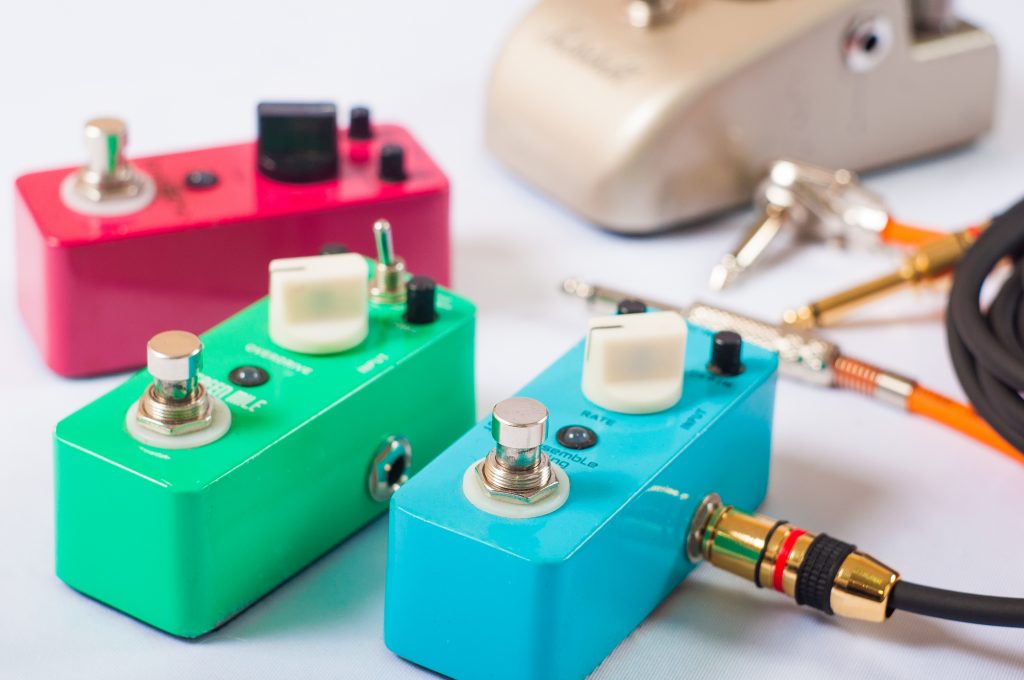
Starting your journey into guitar effects can feel overwhelming with thousands of pedals available today. Whether you’re a beginner guitarist looking to expand your sound or an intermediate player building your first pedalboard, choosing the right guitar effects pedals is crucial for developing your musical style.
This comprehensive guide covers the 5 essential guitar pedals every guitarist should consider first, explaining why these effects are fundamental to any setup and how they’ll enhance your playing across all genres.
Why Guitar Effects Pedals Matter for Your Sound
Guitar pedals serve as the bridge between your instrument and amplifier, allowing you to shape, color, and transform your tone. The right combination of effects can:
- Enhance your guitar’s natural sound quality
- Add dimension and character to your playing
- Help you achieve professional-sounding recordings
- Provide versatility for different musical styles
Let’s explore the must-have pedals that form the foundation of every great pedalboard.
1. Compression Pedals: The Invisible Sound Enhancer
What Does a Compressor Pedal Do?
A compressor pedal is often called the “invisible effect” because its impact is subtle yet transformative. This essential guitar effect works by:
- Evening out volume differences between notes
- Sustaining quieter frequencies
- Controlling dynamic spikes in your signal
- Adding punch and clarity to your overall tone
Why Every Guitarist Needs a Compressor
Compression pedals are particularly valuable for:
- Clean playing: Adds sustain and note definition
- Recording: Ensures consistent levels
- Live performance: Prevents volume inconsistencies
- Fingerpicking: Balances individual note volumes
Best Compressor Pedals for Beginners
Popular compressor pedals include the Boss CS-3, Wampler Ego, and MXR Dyna Comp, each offering different levels of control and character.
2. Tuner Pedals: Stay in Tune, Stay Professional
The Importance of Guitar Tuning
While smartphone apps and clip-on tuners exist, a dedicated tuner pedal offers unmatched convenience and accuracy for serious guitarists.
Advantages of Pedal Tuners
Tuner pedals provide:
- Silent tuning: Mutes your signal during tuning
- Stage reliability: Works in noisy environments
- Precision: More accurate than most alternatives
- Integration: Fits seamlessly into your pedalboard signal chain
Monophonic vs. Polyphonic Tuners
- Monophonic tuners: Tune one string at a time (Boss TU-3)
- Polyphonic tuners: Tune all strings simultaneously (TC Electronic PolyTune)
For complex chords and advanced techniques, polyphonic tuners offer superior efficiency.
3. Drive Pedals: The Heart of Electric Guitar
Understanding Drive Effects
Drive pedals encompass three main categories:
- Overdrive pedals: Smooth, natural distortion
- Distortion pedals: More aggressive, compressed saturation
- Fuzz pedals: Extreme, vintage-style clipping
Why Drive Pedals Are Essential
Drive effects are fundamental because they:
- Add harmonic richness to clean tones
- Provide sustain and note definition
- Enable genre-specific sounds (blues, rock, metal)
- Enhance your guitar’s natural character
Choosing Your First Drive Pedal
For beginners, start with a versatile overdrive pedal like:
- Ibanez Tube Screamer: Classic mid-focused overdrive
- Boss Blues Driver: Versatile blues to rock tones
- ProCo RAT 2: Aggressive distortion capabilities


4. Delay and Reverb: Adding Space and Dimension
The Magic of Time-Based Effects
Delay and reverb pedals create spatial effects that add depth and dimension to your guitar sound.
Delay Pedals Explained
Delay effects work by:
- Creating echoes of your original signal
- Adding rhythmic elements to your playing
- Thickening your tone without muddiness
- Enabling ambient and experimental sounds
Reverb Pedals: Creating Atmosphere
Reverb pedals simulate acoustic spaces:
- Room reverb: Intimate, natural sound
- Hall reverb: Large, spacious ambience
- Plate reverb: Vintage, musical character
- Spring reverb: Classic amplifier-style reverb
Essential Time-Based Effects for Beginners
Start with either:
- Boss DD-7 Digital Delay: Versatile and user-friendly
- Strymon Flint: Combined tremolo and reverb
- TC Electronic Hall of Fame 2: Comprehensive reverb options
5. Additional Effects: Expanding Your Sonic Palette
Easy-to-Use Effect Options
Beyond the core four effects, consider these beginner-friendly options:
Wah Pedals
Wah pedals create the distinctive “wah-wah” vocal effect popularized by:
- Jimi Hendrix’s psychedelic explorations
- Classic rock and funk guitarists
- Modern alternative and metal players
Volume Pedals
Volume pedals offer:
- Real-time volume control
- Smooth fade-ins and fade-outs
- Dynamic expression during performance
- Essential tool for live musicians
Chorus and Modulation Effects
While more complex, chorus pedals add:
- Shimmering, doubled textures
- Movement and animation to static tones
- Essential for 80s and alternative rock sounds
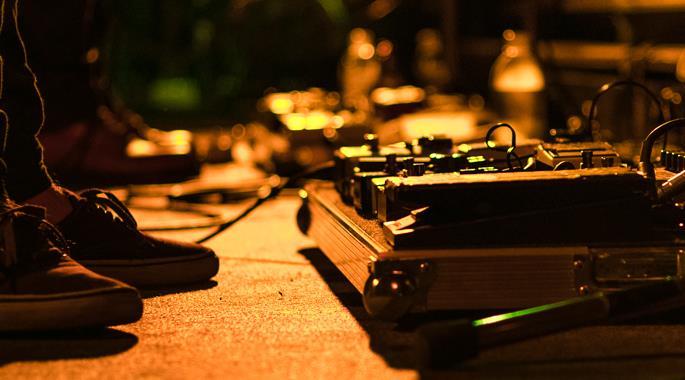
Building Your First Pedalboard: Setup Tips
Signal Chain Order
Arrange your guitar pedals in this recommended order:
- Tuner pedal (first in chain)
- Compressor pedal
- Drive pedals (overdrive/distortion)
- Modulation effects (chorus, wah)
- Time-based effects (delay, reverb)
Power and Connectivity
- Use isolated power supplies to prevent noise
- Choose quality patch cables for reliable connections
- Consider true bypass switching for signal integrity
Conclusion: Start Your Effects Journey Today
Building your first pedalboard doesn’t have to be overwhelming. These 5 essential guitar pedals provide the foundation for any musical style:
- Compressor: Enhances your natural tone
- Tuner: Keeps you in tune and professional
- Drive: Adds character and sustain
- Delay/Reverb: Creates space and dimension
- Utility effects: Wah and Volume for expression
Start with one or two pedals that appeal to your musical style, then gradually expand your collection. Remember, the best guitar effects are the ones that inspire you to play and create music.
Ready to Build Your Pedalboard?
Experiment with different combinations, trust your ears, and most importantly, have fun exploring the endless possibilities that guitar pedals offer. Your perfect tone is waiting to be discovered.
Related Articles: