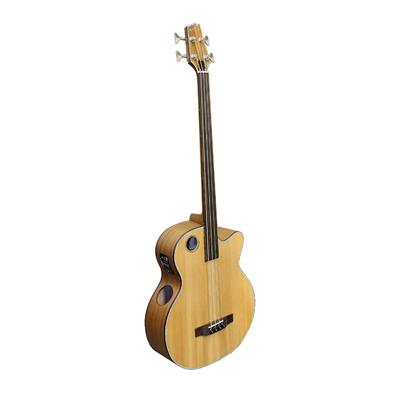
Practicing guitar in an apartment can feel like walking a tightrope between improving your skills and keeping the peace. The good news is that modern practice tools make it entirely possible to play daily without disturbing neighbours. With the right setup, you can get focused, high-quality practice time at any hour while keeping your volume under control.
Whether you are dealing with thin walls, sleeping family members, or late-night inspiration, this guide will show you exactly how to practice guitar quietly and effectively.
Why Quiet Guitar Practice Matters More Than Ever
Consistency beats volume every time. Many players stall not because they lack motivation, but because their environment makes regular practice awkward or stressful.
Apartment players often struggle with:
- worrying about neighbours
- avoiding evening practice
- keeping volume too low to enjoy playing
- inconsistent routines
The result is stop-start progress.
A proper quiet practice setup removes that friction completely. When you can pick up the guitar anytime without anxiety, your total weekly practice time quietly multiplies.
The Best Ways to Practice Guitar Quietly
Let’s walk through the most effective silent practice solutions, starting with the highest impact.

1. Use a Headphone Guitar Amp (Best Overall Solution)
For most players, this is the cleanest and most powerful fix.
A headphone amp plugs directly into your guitar and sends the full amp sound straight to your headphones. To the outside world, your guitar is almost whisper-quiet. To your ears, it sounds like a proper rig.
Popular options include the Vox amPlug series, the Fender Mustang Micro, and the Boss Waza-Air system.
Why this works so well:
- virtually silent externally
- full electric guitar tone
- ultra portable
- perfect for late-night practice
- beginner friendly
🎸 Quick Gear Tip
A headphone amp is the simplest way to practice silently while still enjoying a full electric tone. For most apartment players, this should be the first upgrade.
Popular headphone amps worth checking out:
- Vox amPlug 3 (AC30 / Classic Rock / Blues) — ultra-portable and beginner friendly
- Fender Mustang Micro — excellent tones and USB charging
- Boss Waza-Air Wireless — premium wireless practice system
These are consistently among the highest-rated silent practice solutions on Amazon and are ideal for apartment players.
2. Practice Amps with Headphone Outputs
If you prefer a more traditional setup, many small practice amps include a headphone output that mutes the speaker automatically.
Strong examples come from the Yamaha THR series, the Boss Katana Mini, and the Fender Mustang LT range.
Best for players who:
- want both silent and normal play
- like amp controls on the desk
- plan to jam occasionally at low volume
This route is slightly bulkier than a headphone amp but still apartment-friendly.
Top small amps with headphone support:
- Yamaha THR5 / THR10 series — studio-quality tones at low volume
- Boss Katana Mini — compact and budget friendly
- Fender Mustang LT25 — versatile modelling options
If you want flexibility to play both silently and out loud occasionally, these are excellent middle-ground choices.
3. How to Quiet an Acoustic Guitar

Acoustic players have a tougher challenge, but you still have solid options.
✅ Use a Soundhole Cover
This reduces projection and takes the sharp edge off your volume.
Look for models from D’Addario or Planet Waves.
✅ Switch to Light Gauge Strings
Lighter strings require less force and tend to produce slightly less volume while being much easier on beginner fingers.
✅ Practice with Controlled Touch
Working on gentle fretting and lighter strumming is secretly powerful technique training.
🧠 Reality Check
You will never make an acoustic completely silent, but you can reduce volume enough for comfortable apartment practice.
Helpful acoustic volume reducers:
- D’Addario Screeching Halt soundhole cover — quick and effective volume reduction
- Acoustic soundhole plug — simple drop-in solution
- Elixir Strings Phosphor Bronze Light strings — easier on fingers and slightly softer response
These small upgrades can make acoustic practice far more apartment-friendly.
Silent Practice Tricks Most Players Ignore
Before buying anything, squeeze maximum value from these low-tech wins.
The towel trick
Lightly weave a soft cloth near the bridge under the strings to reduce acoustic ring. Great for late-night electric unplugged work.
Unplugged electric guitar drills
Electric guitars produce very little acoustic volume on their own. Perfect for:
- scale practice
- chord changes
- finger independence
- left-hand technique
Metronome timing work
Timing practice is naturally quiet but massively improves musical results.
Simple tools that improve quiet practice:
- Korg MA-2 digital metronome — precise timing work
- Snark SN-5X clip-on tuner — keeps practice sessions frustration-free
Even when playing quietly, staying in tune and in time dramatically accelerates progress.
The 15-Minute Silent Practice Routine
If you want fast progress without disturbing anyone, structure beats noodling every time.
Try this simple apartment-friendly routine:
5 minutes — technique
- scales
- finger exercises
- slow precision work
5 minutes — chords or riffs
- clean changes
- light touch
- accuracy over speed
5 minutes — timing work
- metronome practice
- slow groove work
- rhythm focus
This fits perfectly into busy schedules and keeps noise exposure short and predictable.
What Results to Expect From Quiet Practice
Here is the honest truth.
Quiet practice is excellent for:
- technique development
- finger strength
- chord accuracy
- timing improvement
- consistency building
It is less ideal for:
- stage volume feel
- feedback interaction
- aggressive strumming dynamics
But for most developing players, the benefits massively outweigh the limitations.
🎯 Progress Reality
If you practice quietly for 15 focused minutes daily, you can expect noticeable improvement in clean playing and timing within a few weeks.
Consistency is the real amplifier.
For further reading, check out more of our gear guides on Awkward Sound, including: